
Beginner Tips for Composting at Home: A Simple Guide
Composting at home is a fantastic way to reduce waste, enrich your garden soil, and contribute to a healthier environment. If you’re new to composting, it might seem a little daunting at first. But with some basic tips and a bit of patience, you can easily create your own compost pile or bin and enjoy the benefits of nutrient-rich soil right from your backyard.
In this guide, we’ll walk you through beginner-friendly tips for composting at home, covering everything from what to compost, how to maintain your compost, and how to troubleshoot common issues.
What Is Composting?
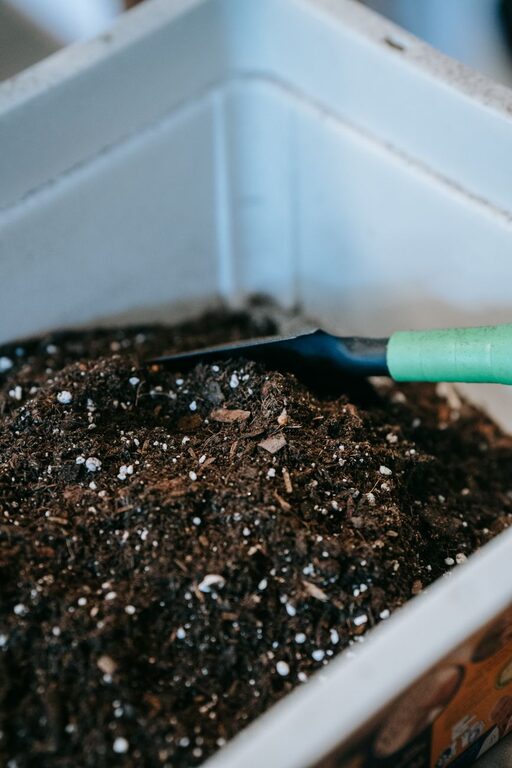
Composting is the natural process of recycling organic materials, such as food scraps and yard waste, into a dark, crumbly soil amendment called compost. This “black gold” is rich in nutrients that help plants grow stronger and healthier.
Why Start Composting at Home?
– Reduces waste in landfills: Composting keeps organic waste out of the trash.
– Improves soil health: Compost adds valuable nutrients and improves soil structure.
– Saves money: Less need to buy commercial fertilizers.
– Supports the environment: Composting reduces greenhouse gas emissions.
Getting Started: What You’ll Need
You don’t need fancy equipment to start composting, but here are a few basics:
– A compost bin or pile: You can purchase a compost bin, use a DIY container, or simply designate a spot in your yard.
– A mix of green and brown materials: We’ll explain this in the next section.
– A pitchfork or garden fork: To turn your compost occasionally.
– Water source: Compost needs moisture but shouldn’t be soggy.
Understanding Green and Brown Materials
Successful composting relies on balancing ingredients that are high in nitrogen (greens) and carbon (browns).
Greens (Nitrogen-Rich):
– Fruit and vegetable scraps
– Coffee grounds and tea bags
– Fresh grass clippings
– Plant trimmings
Browns (Carbon-Rich):
– Dry leaves
– Straw or hay
– Shredded newspaper and cardboard (non-glossy)
– Wood chips and sawdust (in moderation)
Why Balance Matters
Greens provide nitrogen, which fuels the microbes that break down organic matter. Browns supply carbon, which gives microbes energy and helps maintain proper aeration. Too many greens can make the compost smell; too many browns will slow down decomposition.
Step-by-Step Guide to Composting
1. Choose a Composting Method
– Compost pile: Simply gather your materials in a pile outdoors.
– Compost bin: Use a container to keep things tidy and deter pests.
– Tumbler: A rotating compost bin makes turning easy.
2. Set Up Your Compost Site
Select a spot that’s convenient, well-drained, and partially shaded. This helps maintain moisture and keeps things from drying out.
3. Layer Your Materials
Start with a layer of coarse browns, like small branches or straw, to help with airflow. Then alternate layers of greens and browns, roughly 2-3 inches thick.
4. Maintain Moisture
Your compost should feel like a wrung-out sponge—moist but not soaking wet. Water it occasionally if it gets dry, especially in hot weather.
5. Turn Your Compost Regularly
Every 1 to 2 weeks, use a garden fork to turn the pile. This adds oxygen, which speeds up decomposition and prevents odors.
6. Monitor Temperature and Progress
A healthy compost pile will warm up as microbes break down materials. If it gets too hot (above 160°F), turn it to cool down. If it’s not warming up, add more greens or moisture.
What Not to Compost
Avoid adding these items to your compost:
– Meat, fish, dairy, and oils (can attract pests)
– Diseased or insect-infested plants
– Pet waste
– Glossy or colored paper with inks
– Coal or charcoal ashes
Troubleshooting Common Composting Problems
Problem: Bad Odor
– Cause: Too many greens or the pile is too wet.
– Solution: Add more browns and turn the pile to aerate.
Problem: Compost is Dry and Not Decomposing
– Cause: Too many browns or lack of moisture.
– Solution: Add water and some greens, then turn.
Problem: Pests Are Visiting the Pile
– Cause: Food scraps like meat or oily foods.
– Solution: Avoid these items; cover fresh food scraps with browns.
Problem: Slow Decomposition
– Cause: Lack of air, moisture, or nitrogen.
– Solution: Turn the pile, add water if dry, and add green materials.
Using Your Finished Compost
After a few months to a year, your compost should turn into a dark, crumbly, earthy-smelling material. Here’s how to use it:
– Mix it into garden beds to enrich soil.
– Use it as mulch around plants.
– Add it to potting mixes for healthier potted plants.
Additional Tips for Success
– Chop or shred larger materials to speed up decomposition.
– Keep a small kitchen compost bin with a tight-fitting lid to collect scraps.
– Practice patience; composting is a natural process that takes time.
– Consider worm composting (vermicomposting) if you want to compost indoors.
Final Thoughts
Starting a compost bin at home is an easy and rewarding way to live more sustainably. It may take a few tries to get the hang of it, but with these beginner tips, you’ll be able to create nutrient-rich compost that benefits your garden and the planet.
Give it a try and enjoy watching your kitchen scraps transform into valuable soil!
