
How to Plan Meals from Pantry Staples for Easy, Tasty Dinners
Planning meals using pantry staples is a smart way to save time, reduce food waste, and eat well without frequent trips to the grocery store. Whether you have a fully stocked pantry or just a few basic ingredients, knowing how to combine what you have into satisfying meals can make dinnertime much easier.
In this post, we’ll explore practical tips and ideas for meal planning centered around pantry essentials. From understanding what to keep on hand, to organizing your space, to creating balanced meals—this guide will help you make the most of your pantry.
Why Plan Meals with Pantry Staples?
Using pantry staples to plan meals means relying on long-lasting, non-perishable ingredients like canned goods, dried grains, and spices. Here are some benefits:
– Convenience: You always have something to cook with.
– Cost-effective: Buying staples in bulk saves money.
– Less waste: You use what you have before it expires.
– Flexibility: You can get creative without extra shopping.
Step 1: Stock Your Pantry with Essentials
Before you can plan meals, it’s important to have a well-rounded pantry. Here are common staples to keep:
Grains and Pasta
– Rice (white, brown, or specialty varieties)
– Pasta (spaghetti, penne, macaroni)
– Quinoa, couscous, or barley
Canned and Jarred Goods
– Beans (black beans, chickpeas, kidney beans)
– Tomatoes (diced, crushed, or sauce)
– Broth (vegetable, chicken, or beef)
– Tuna or salmon
Baking and Cooking Supplies
– Flour, baking powder, baking soda
– Sugar, honey, maple syrup
– Cooking oils (olive, vegetable, coconut)
Spices and Seasonings
– Salt, pepper
– Garlic powder, onion powder
– Dried herbs (oregano, basil, thyme)
– Chili flakes, paprika, cumin
Nuts, Seeds, and Snacks
– Peanut butter or other nut butters
– Nuts and seeds (almonds, sunflower seeds)
– Crackers or shelf-stable snacks
Keeping a variety of these ingredients ensures you can mix and match items for many different recipes.
Step 2: Organize Your Pantry for Easy Access
An organized pantry makes meal planning simpler because you can easily see what you have. Try these ideas:
– Group similar items together (all canned goods on one shelf).
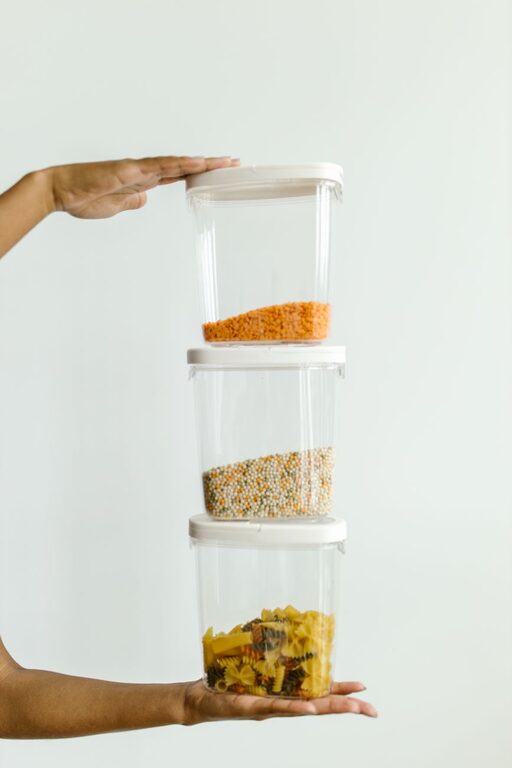
– Use clear containers or labels for loose items like rice or pasta.
– Keep frequently used staples at eye level.
– Rotate older items to the front to use them first.
Step 3: Plan Balanced Meals Using Pantry Staples
To create satisfying meals, aim to include a balance of carbohydrates, protein, vegetables, and healthy fats. Here’s how:
Carbohydrates
Use rice, pasta, or grains as your meal base.
Protein
Add canned beans, tuna, or nut butters.
Vegetables
Incorporate canned tomatoes, frozen vegetables, or fresh produce if available.
Healthy Fats
Use olive oil or nuts for flavor and nutrition.
Example Meal Ideas
– Bean and Rice Bowls: Cook rice, top with seasoned black beans, canned corn, salsa, and a drizzle of olive oil.
– Pasta with Tomato Sauce: Combine pasta with canned crushed tomatoes, garlic, and herbs. Add canned tuna for protein.
– Chickpea Curry: Simmer chickpeas with canned tomatoes, curry powder, and coconut milk (if available). Serve over quinoa or rice.
– Tuna Salad Wraps: Mix canned tuna with mayo or yogurt, add spices and chopped nuts. Serve with crackers or in a tortilla.
Step 4: Use Meal Planning Tools
– Make a Weekly Menu: List meals based on the pantry items you want to use.
– Shopping List: Note any fresh items you need to complement your pantry staples.
– Recipe Journaling: Collect recipes that focus on pantry staples for future use.
Step 5: Tips for Success
– Be Creative: Mix and match ingredients. Don’t worry about following recipes exactly.
– Batch Cook: Make large portions and save leftovers for quick meals.
– Keep a Pantry Inventory: Regularly check what you have to avoid buying duplicates.
– Add Fresh When Possible: Incorporate fresh produce or proteins when convenient for added nutrition.
Conclusion
With a stocked and organized pantry, meal planning becomes a hassle-free way to put together tasty and nutritious dinners. By understanding your staples and using simple techniques, you’ll find yourself cooking confidently with what you already have. Try out these strategies, experiment with flavors, and enjoy the convenience of pantry-based meals!
