
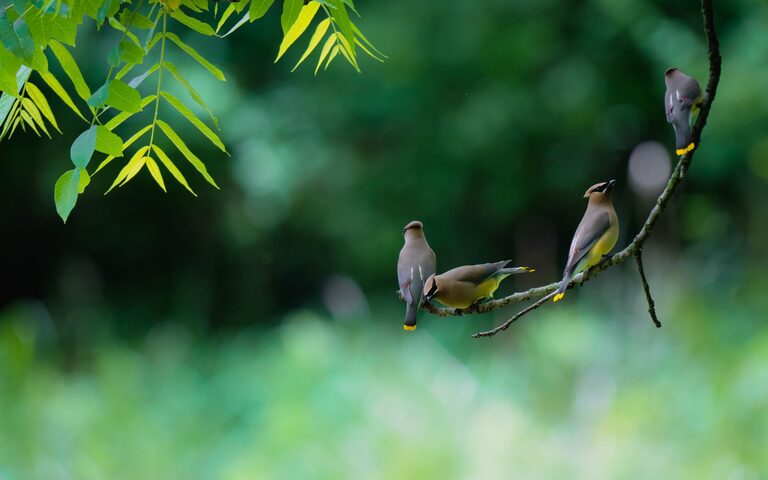
Beginner Tips for Backyard Birdwatching: A Simple Guide to Get Started
Birdwatching is a wonderful way to connect with nature, relax, and learn about the diverse species that visit your own backyard. Whether you live in a city or a rural area, you can enjoy watching birds with just a few simple tools and some patience. This guide offers beginner-friendly tips to help you get started on your backyard birdwatching journey.
Why Backyard Birdwatching?
Birdwatching at home is accessible and rewarding. It requires minimal investment, and it offers a peaceful way to engage with wildlife. By attracting birds to your yard, you create a small sanctuary not only for them but also for yourself, promoting well-being and a deeper appreciation for the natural world.
Getting Started: What You’ll Need
Before you begin, here are a few essentials to have on hand:
– Binoculars: A pair of binoculars helps you see birds clearly from a distance without disturbing them. For beginners, 8×42 binoculars are a good balance of magnification and brightness.
– Bird Guidebook or App: Identifying birds can be easier with a guidebook or a smartphone app that includes photos and descriptions.
– Notebook or Journal: Keeping a simple record of the birds you see can enhance your experience and help you learn over time.
– Bird Feeder and Birdseed: Attracting birds to your yard is simpler with feeders and the right food.
Setting Up Your Backyard for Birdwatching
Choose the Right Location
Place your bird feeder in a spot visible from a window or patio where you can watch comfortably. Ideally, it should be near natural cover like trees or shrubs, giving birds a safe place to retreat.
Select Appropriate Feeders
Different birds prefer different feeders. Here are common types:
– Tube feeders: Great for small birds like finches and chickadees.
– Platform feeders: Attract larger birds such as cardinals and blue jays.
– Suet feeders: Excellent for woodpeckers and nuthatches.
Offer Suitable Food
Choosing the right food will attract a variety of birds:
– Black oil sunflower seeds are popular among many species.
– Nyjer (thistle) seeds attract finches.
– Suet cakes provide energy, especially in colder months.
– Fresh water in a birdbath encourages drinking and bathing.
Tips for Observing Birds
Be Patient and Quiet
Birds are easily startled by loud noises and sudden movements. Approach your birdwatching spot calmly, and give the birds time to feel safe and return.
Observe at Different Times
Bird activity varies throughout the day. Early mornings and late afternoons are often the best times to see a wide variety of species.
Use Your Senses
Listen for bird calls and watch for movement in trees and bushes. Sometimes you’ll spot a bird by sound before you see it.
Take Notes and Photos
Recording your observations helps reinforce your learning. Taking photos, even with a smartphone, can aid identification later.
Learning to Identify Birds
Focus on Key Features
When identifying birds, notice:
– Size and shape
– Color patterns on the head, wings, and body
– Beak shape
– Behavior, such as how it perches or feeds
– Songs and calls
Use Resources
Field guides and apps often have search features where you can input color, size, and behaviors to help narrow down possibilities.
Creating a Bird-Friendly Backyard Year-Round
Plant Native Plants
Native trees, shrubs, and flowers provide natural food and shelter for birds. They also support insects that some birds eat.
Provide Shelter
Birdhouses, brush piles, and dense shrubs offer safe places for nesting and protection from predators.
Manage Pesticide Use
Avoid using pesticides to protect the insects and plants that birds depend on for food.
Keep Water Sources Clean
Regularly clean and refill birdbaths to prevent disease and encourage frequent visits.
Common Backyard Birds to Look For
Depending on your location, you might spot species such as:
– American Robin
– Northern Cardinal
– Blue Jay
– Mourning Dove
– Black-capped Chickadee
– House Finch
– Downy Woodpecker
Knowing which birds are common in your area is a great starting point for identification.
Enjoying the Experience
Remember, birdwatching is as much about relaxation and connection with nature as it is about spotting rare species. Celebrate every small success, like spotting a new bird or learning a new call. Share your hobby with friends or family, or simply enjoy your quiet moments in the company of your feathered visitors.
—
Backyard birdwatching is a rewarding hobby that anyone can enjoy with just a little preparation. By creating welcoming spaces, using the right tools, and practicing observation skills, you’ll soon find that your backyard is a lively place full of fascinating wildlife. Happy birdwatching!
